Cooking fundamentals
Build a strong foundation in knife skills, ingredient preparation, seasoning, heat control, and essential methods for preparing balanced, flavorful meals.

Course formats
Every cook has different interests, goals, and ways of learning. Explore culinary experiences focused on everyday meal preparation, baking fundamentals, creative food presentation, and more advanced kitchen techniques. Compare the format and focus of each class to find an enjoyable way to build confidence, practice new skills, and bring fresh ideas to your kitchen.
Build a strong foundation in knife skills, ingredient preparation, seasoning, heat control, and essential methods for preparing balanced, flavorful meals.
Explore dough preparation, cake mixing, pastry techniques, oven management, and the small details that help produce consistent and delicious baked creations.
Discover culinary traditions through distinctive ingredients, regional flavor combinations, traditional preparation methods, and recipes inspired by kitchens around the world.
Practice specific techniques through guided activities, from preparing fresh pasta and shaping pastries to creating sauces and refining food presentation.
Learn practical approaches to planning meals, organizing ingredients, preparing versatile components, and creating satisfying dishes for busy routines.
Experiment with flavor pairings, textures, seasonal ingredients, plating ideas, and adaptable recipes while developing your own approach to cooking.
Choose your course
A fundamentals course is often a useful starting point because it introduces essential preparation methods, safe knife handling, seasoning, and basic cooking techniques. Beginners can develop a reliable foundation before moving on to more specialized recipes.
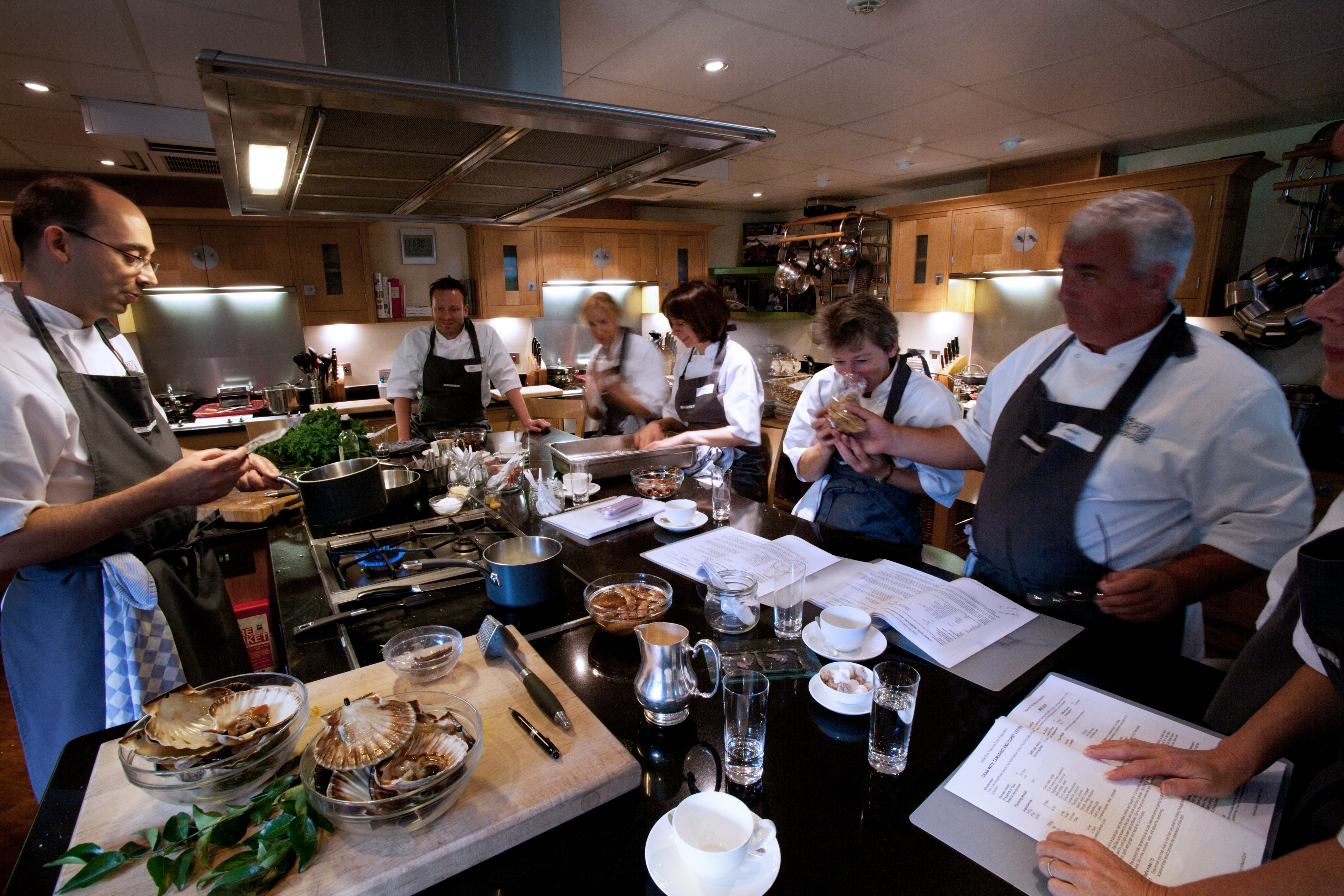
Practical workshops typically focus on guided participation, technique demonstrations, and opportunities to prepare dishes yourself. Review the session description to understand which recipes you'll make, what ingredients are supplied, and whether you need to bring anything.
Start with the skills you want to develop, whether that's baking with greater consistency, preparing meals more efficiently, exploring unfamiliar cuisines, or improving presentation. Compare the course outline, experience level, practical activities, and required preparation before registering.